A lifetime of storytelling shaped by history, imagination, and lived experience.
Ted Barber is a lifelong writer whose work is rooted in curiosity, discipline, and a deep respect for the power of story. From poetry and children’s tales to expansive speculative worlds, his writing reflects decades of observation, research, and reflection on the human condition.
Where the Stories Began
Ted’s journey as a storyteller began at home. Encouraged by his parents to read widely and think critically, he grew up surrounded by storytellers—his parents, aunts, uncles, and especially his grandfather. When his grandfather spoke, the room fell silent; no one wanted to miss a single word. That reverence for storytelling left a permanent mark.
From an early age, Ted excelled in writing and gravitated toward history, drawn to the idea that the past is shaped by decisions—small and large—that echo far beyond their moment.
A Love of History
Ted’s passion for history was nurtured through family travels across the United States and Europe. Each summer became a moving classroom, with lessons taught at historical sites themselves. This hands-on exposure shaped his understanding of cause and consequence and ultimately influenced his fascination with alternate history.
In high school, Ted was selected as an editor for a creative writing magazine during his senior year—an early affirmation that writing would always be part of his life, regardless of the path it took.
Writing Through Every Season
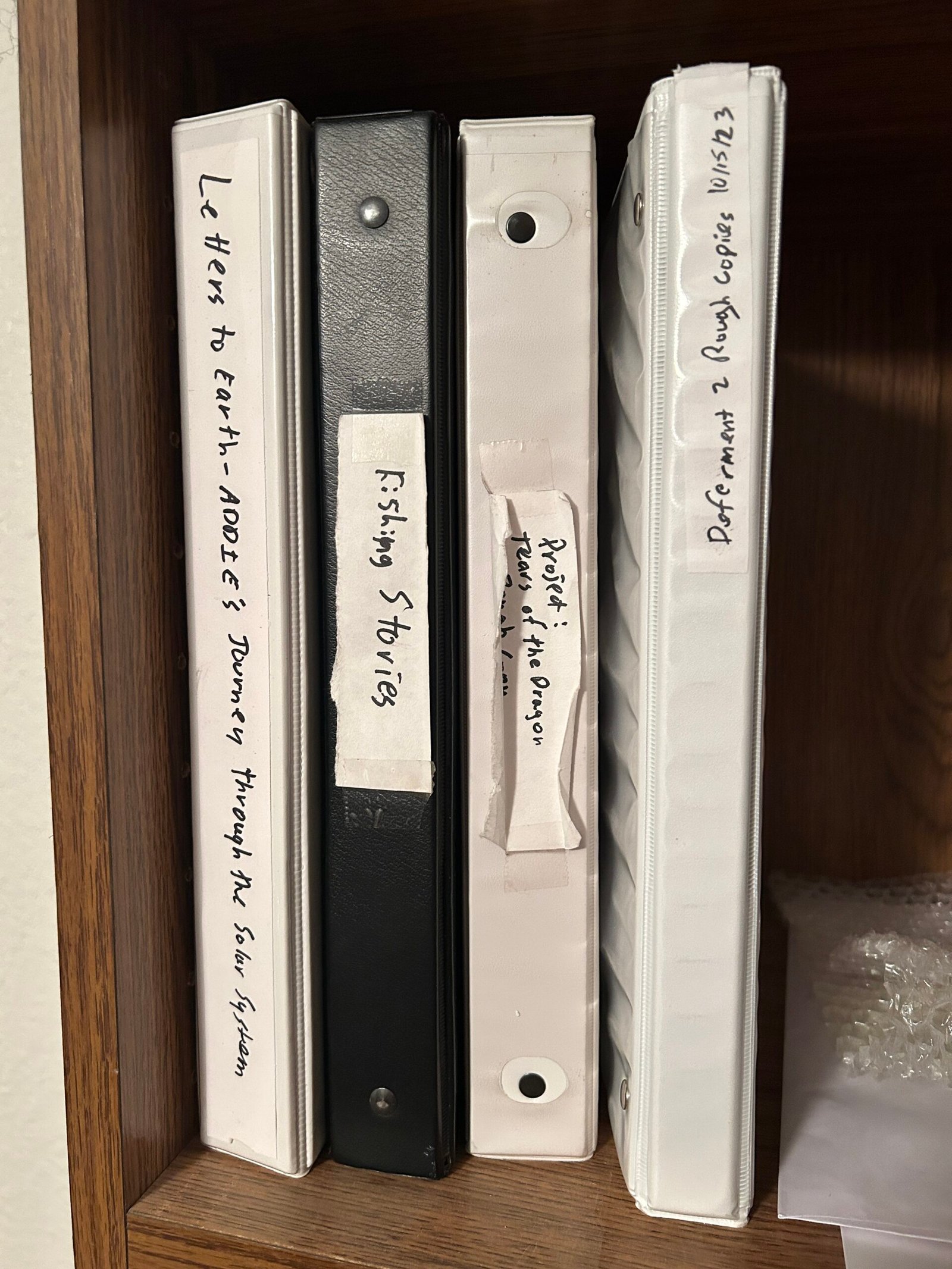
Although life’s circumstances led Ted down different professional paths, writing remained constant. He continued creating poetry, short stories, and novellas, increasingly drawn to alternate history—the idea that a single phrase, decision, or moment could reshape everything we believe to be inevitable.
When his daughter was born, storytelling took on new meaning. Ted began writing children’s stories just for her, blending imagination with lessons about the world she was growing into.
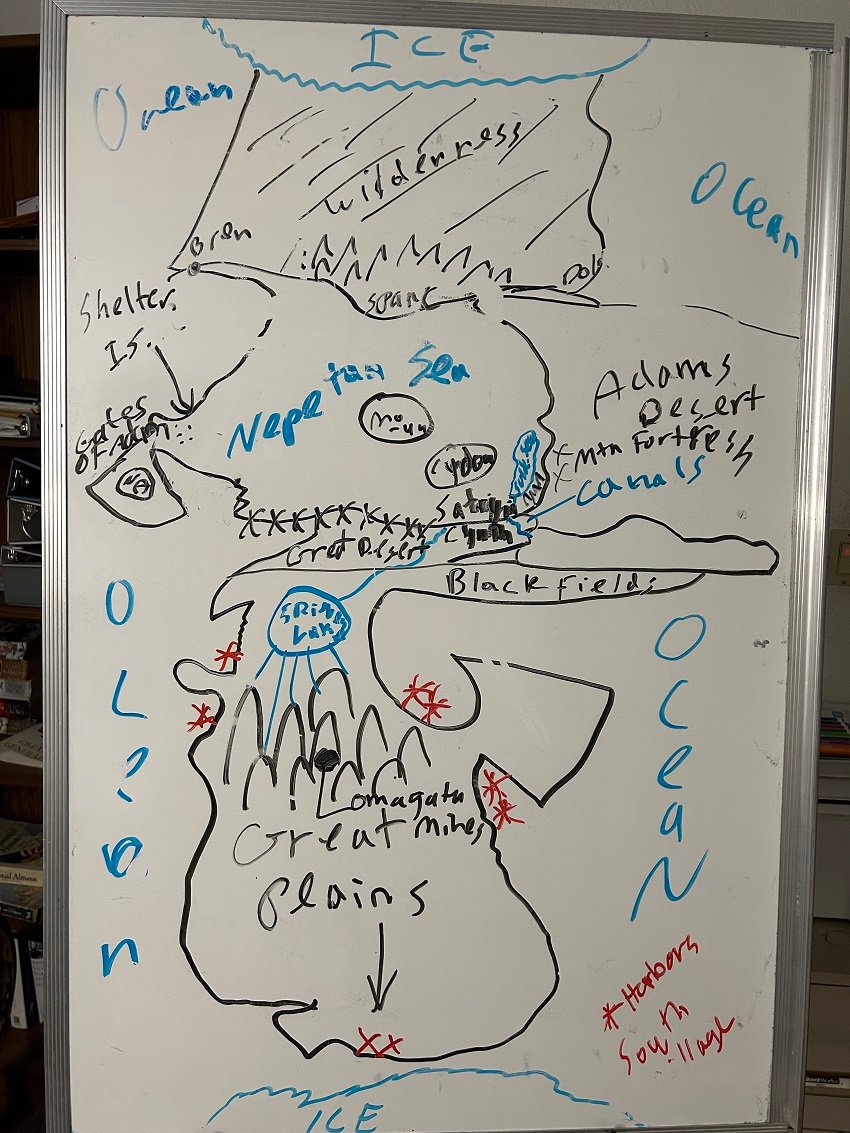
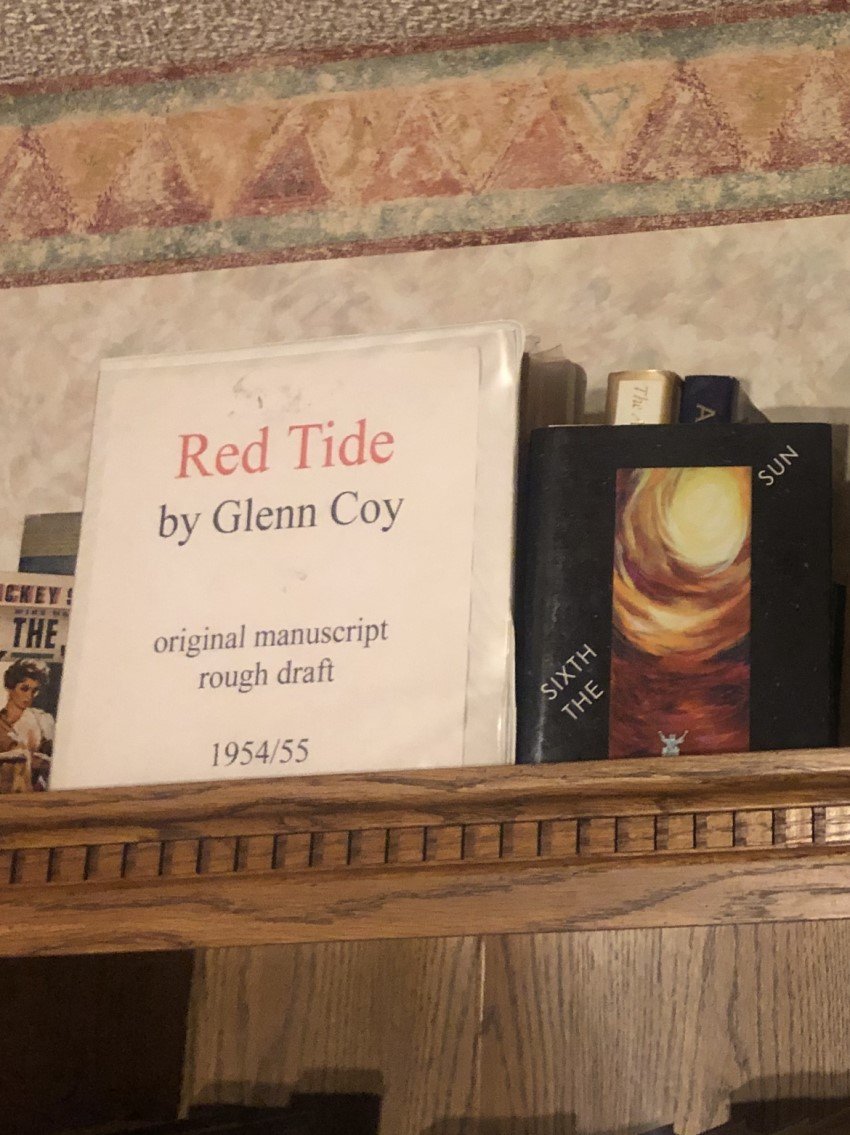
Later, a job that allowed time for independent work gave Ted the opportunity to research and write extensively. During this period, he began crafting what would become The Sixth Sun—a novel envisioning Earth’s future over 4,300 years, based on choices made in the early 21st century.

Stories Built From Life
For his daughter’s sixth birthday, Ted built her a treehouse—large enough for them both. After his divorce, it became a sanctuary where they played, talked, and worked through life together. That experience inspired My Daddy Built Me a Treehouse, a story told through a child’s eyes, reflecting wonder, safety, and understanding.
Now grown, his daughter often thanks him for giving her something few children experience: presence, imagination, and connection.
Ted continues to surround himself with reminders of that bond—including a small display made from robots his daughter once built out of discarded materials—symbolizing creativity, curiosity, and shared memory.
The Craft of Language
Ted has been writing since he could hold a pencil—over five decades. Poetry plays a central role in his creative life, serving as a way to sharpen descriptive technique and explore moments deeply.
Some poems are playful, others profound. One notable piece, The Instant Smile, captures a fleeting two-second interaction while expanding the inner world behind it—a reflection of Ted’s belief that the smallest moments often contain the greatest meaning.
Commitment to the Work
Ted approaches writing with discipline and urgency. He believes meaningful work is built consistently, often noting that he accomplishes more in a focused weekend than most do in an entire week.
That commitment once took him from a brand-new job to New York City and back within 48 hours—flying to Times Square to pitch his book at a “book-to-film” event, presenting to 11 entertainment outlets. One selected his work.
For Ted, effort is part of respect—for the story, the reader, and the ideas themselves.
Why It Matters
Ted’s writing consistently explores warnings ignored, systems misunderstood, and the cost of complacency. His goal is not just to tell stories—but to expand the reader’s awareness of what is possible, what is preventable, and what is worth protecting.